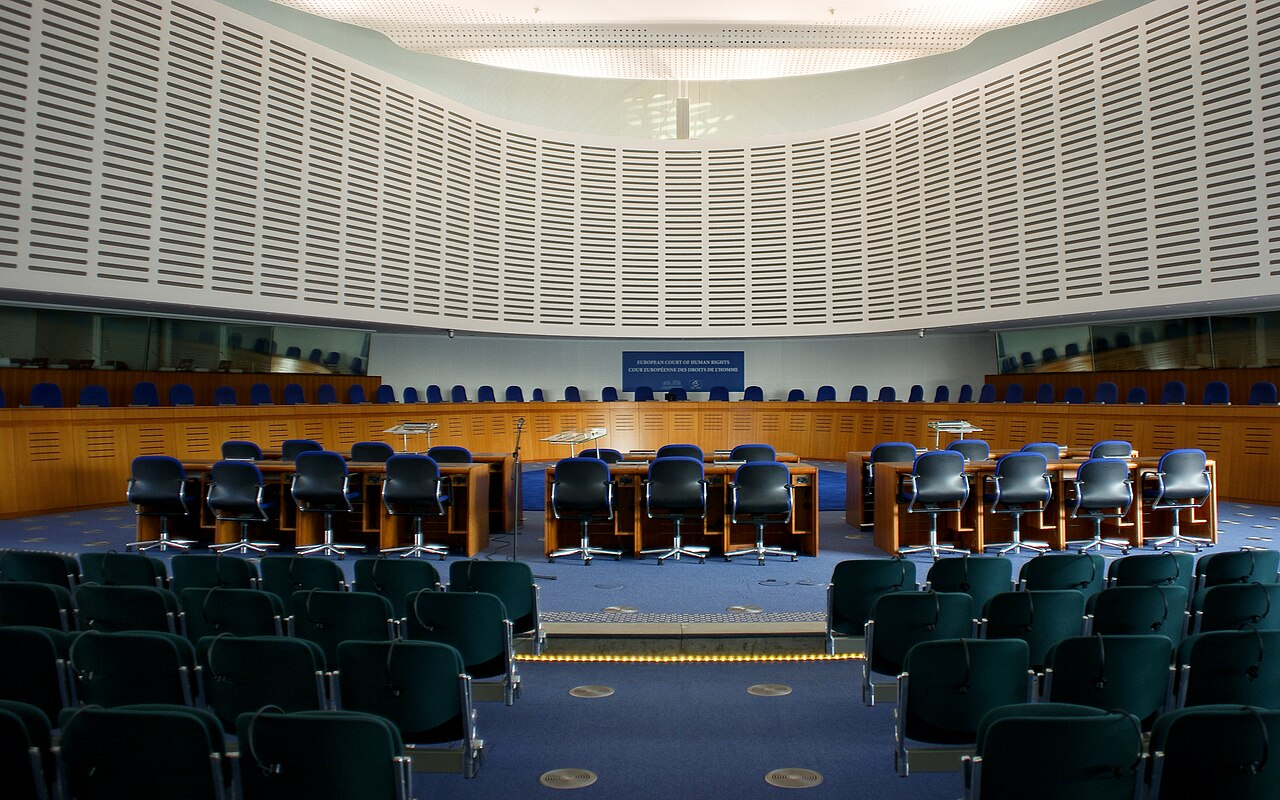
Yesterday, the Parliamentary Assembly of the Council of Europe (PACE) elected two new judges to the ECtHR, who will serve a nine-year term (Article 23(1) ECHR): Nicholas Emiliou in respect of Cyprus and Corinna Wissels in respect of the Netherlands.
Nicholas Emiliou, as any judge, was elected from a list of three candidates nominated by the state. Emiliou received 121 of the 152 votes cast; the other two candidates received 26 and 5 votes. He will replace Judge Serghides. The prospective Strasbourg judge is currently Advocate General at the CJEU. During his term as AG, he has delivered 80 opinions, including opinions touching on human rights matters. He previously also worked as a diplomat and, in that capacity, participated in the Committee of Ministers’ Deputies (DH) meetings on the execution of ECtHR judgments.
The PACE elected Corinna Wissels in respect of the Netherlands. She received 118 of the 162 votes cast, while the two other candidates received 42 and 2 votes. Wissels will replace Judge Schukking. She is currently a State Councillor at the Council of State of the Netherlands (Administrative Jurisdiction Division), where she also deals with migration law questions. Previously, she held various roles, including the head of the European Law Department of the Ministry of Foreign Affairs and represented the Netherlands at the CJEU in that capacity.
The PACE Committee on the Election of Judges to the ECtHR recommended, ‘by a narrow majority’, Emiliou as the most qualified candidate. However, the Committee recommended, ‘by a majority’, another person than Wissels in respect of the Netherlands. It may be interesting to know what the Committee sought to determine when interviewing the (Dutch) candidates:
“whether the applicants had an in-depth knowledge of the ECHR and the areas of Dutch law that are relevant to ECtHR cases, including criminal law and immigration law. It also looked into whether applicants had relevant international work experience, whether they had a good awareness of the different legal cultures of the member States of the Council of Europe and whether they could be expected to operate effectively in such an international environment. In addition, the committee considered whether the applicants had a sufficient knowledge of and connection to the Netherlands’ constitutional order, including the role of ECtHR cases in the Dutch legal system and administration of justice, and whether they had a vision of the tasks performed by and the functioning of the ECtHR, both now and in the future, and the way these things relate to the national legal order. Applicants were also assessed on whether they were capable of shouldering the heavy workload of the ECtHR. Finally, the committee assessed whether the candidates were willing to move to Strasbourg”.
We congratulate the newly elected judges and wish them wisdom in these challenging times.